
Everybody Hates Apple
green shaming’s counterproductive hindrance on sustainable progress
Every September, Apple releases its latest phone version, just like every other player in the industry. As a designer from the nineties and aughts, I have been drawn into the Apple culture so I will start there. I consider myself a fan, and as a techie, I appreciate their announcements. So naturally, I took an extended lunch last Tuesday during the "keynote." Still, I was preoccupied and could only listen in part. Just as I went to tune in, my French bulldogs needed to go out. I remember hearing what sounded like a familiar voice and realized they were talking about the environment, something Apple has done in previous years but usually as a passing transition segment. The segment was playing for about 16 minutes, which I didn't realize then. After another 10 minutes, the part ended. I have been busy lately, so I didn't naturally get onto social media to see the buzz. Instead, I got right back to work. Later that evening, I rewatched it and realized how much time they put into that segment. Not only that but the whole show was peppered with nods to sustainability.
As a Sustainable Brand Strategist, I was surprised to see a company as large as Apple use its platform to highlight a message the general public needs to understand. It was exciting to see a company creating a narrative for its values. However, as I went online to see what people were saying, I noticed they were not excited. Instead, they accused Apple of greenwashing, when a company claims to be environmentally friendly but is not. This reaction is part of a new trend called "Green Shaming," where companies are criticized for their actions even when trying to do the right thing. Unfortunately, 53% of American companies are accused of greenwashing. This trend is detrimental to the whole sustainability movement. I have seen respected people voicing their opinions without the entire picture. I do not want this to be an "I defend Apple" piece because they have a PR team for that. However, I want to bring attention to something that hurts sustainable efforts, and the Apple story is the perfect case study to illustrate this point.
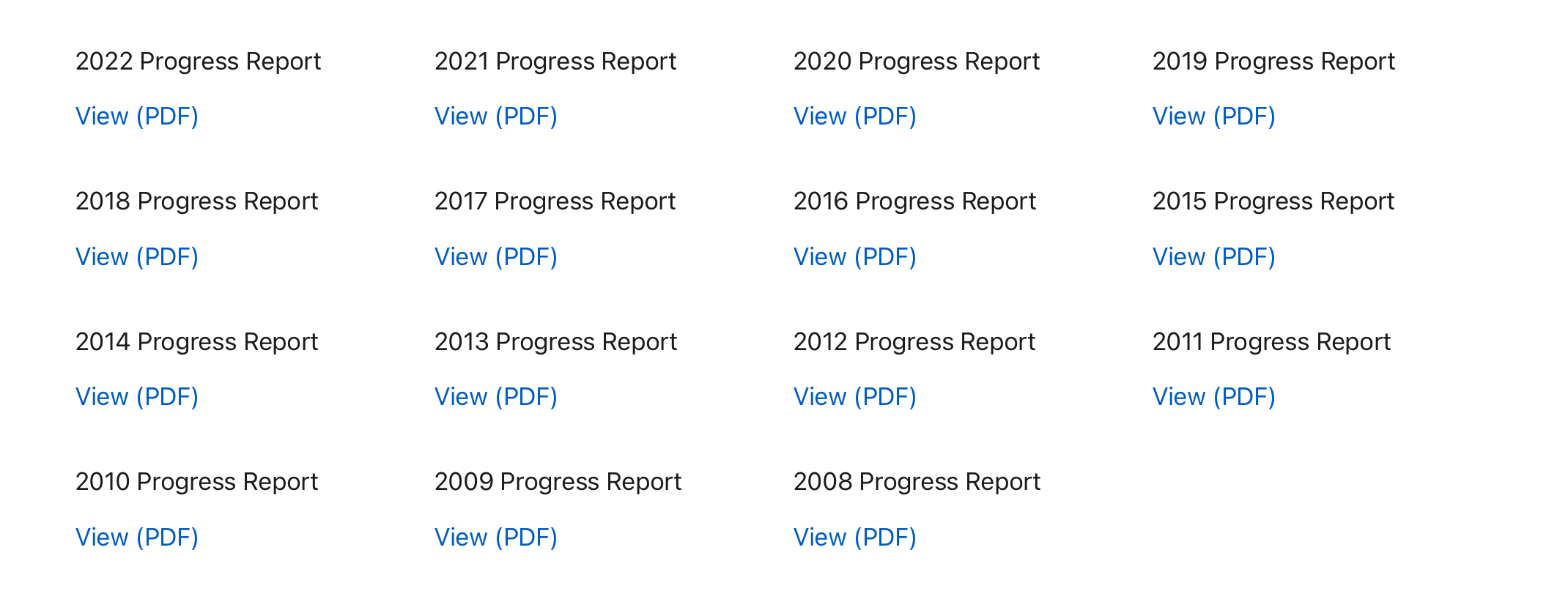
The tech giant Apple released a video in which Octavia Spencer portrayed Mother Earth. The video received attention, with some people claiming it seemed scripted. However, it was a scripted video, and the topics discussed were not glamorous, so, naturally, they would sound rehearsed. The video featured Octavia Spencer, an Academy Award-winning actress, alongside the company CEO, discussing various initiatives. Some viewers expressed their desire for Mother Nature to be on the board of directors. However, the company's sustainability report shows that it has been reporting on sustainability since 2008 and making small announcements yearly. This video is the first time they have given sustainability initiatives a significant stage. Al Gore, a climate advocate, has been on the board of directors since Steve Jobs led the company. Therefore, in a way, Mother Nature is already on the board.
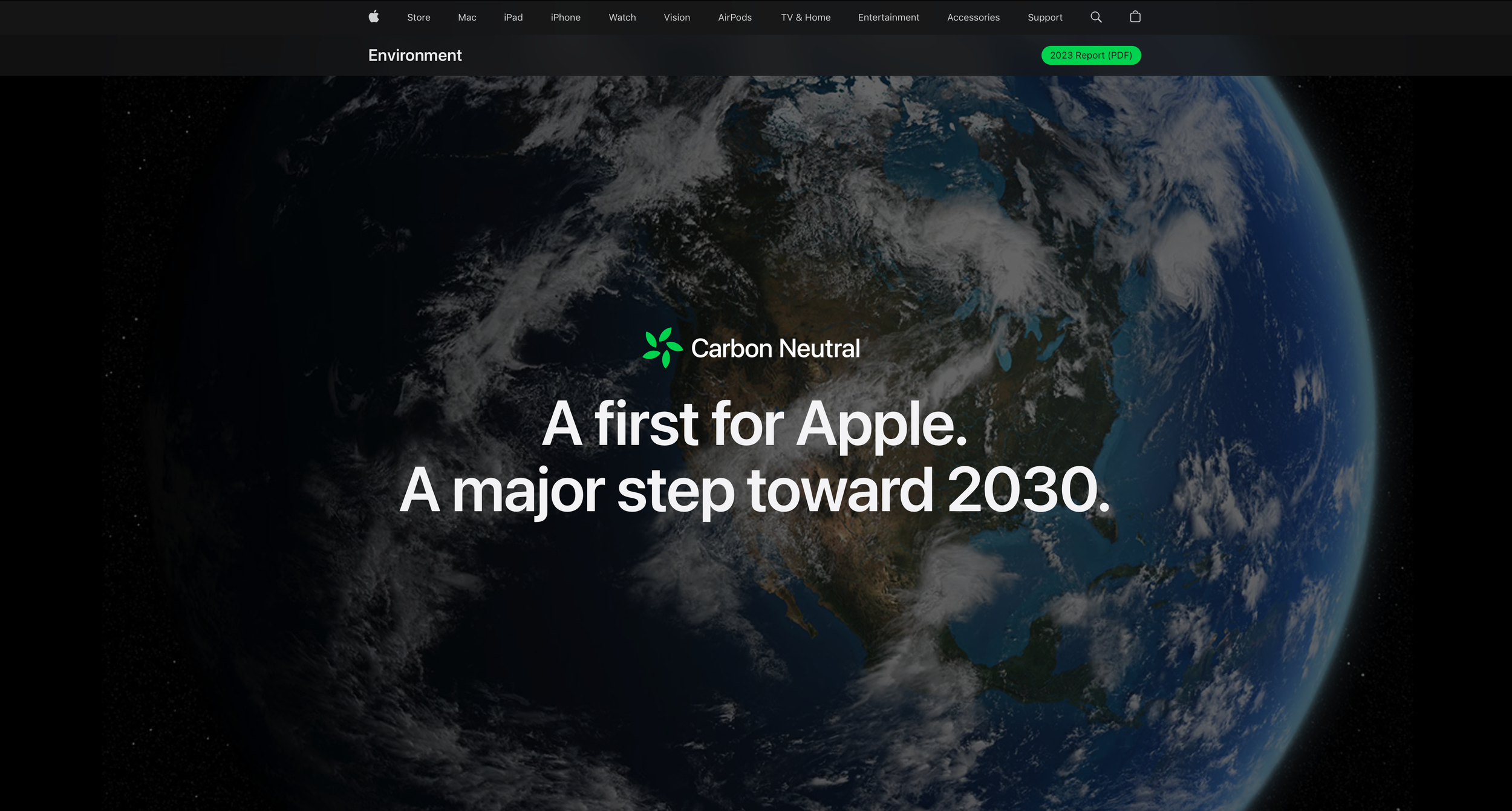
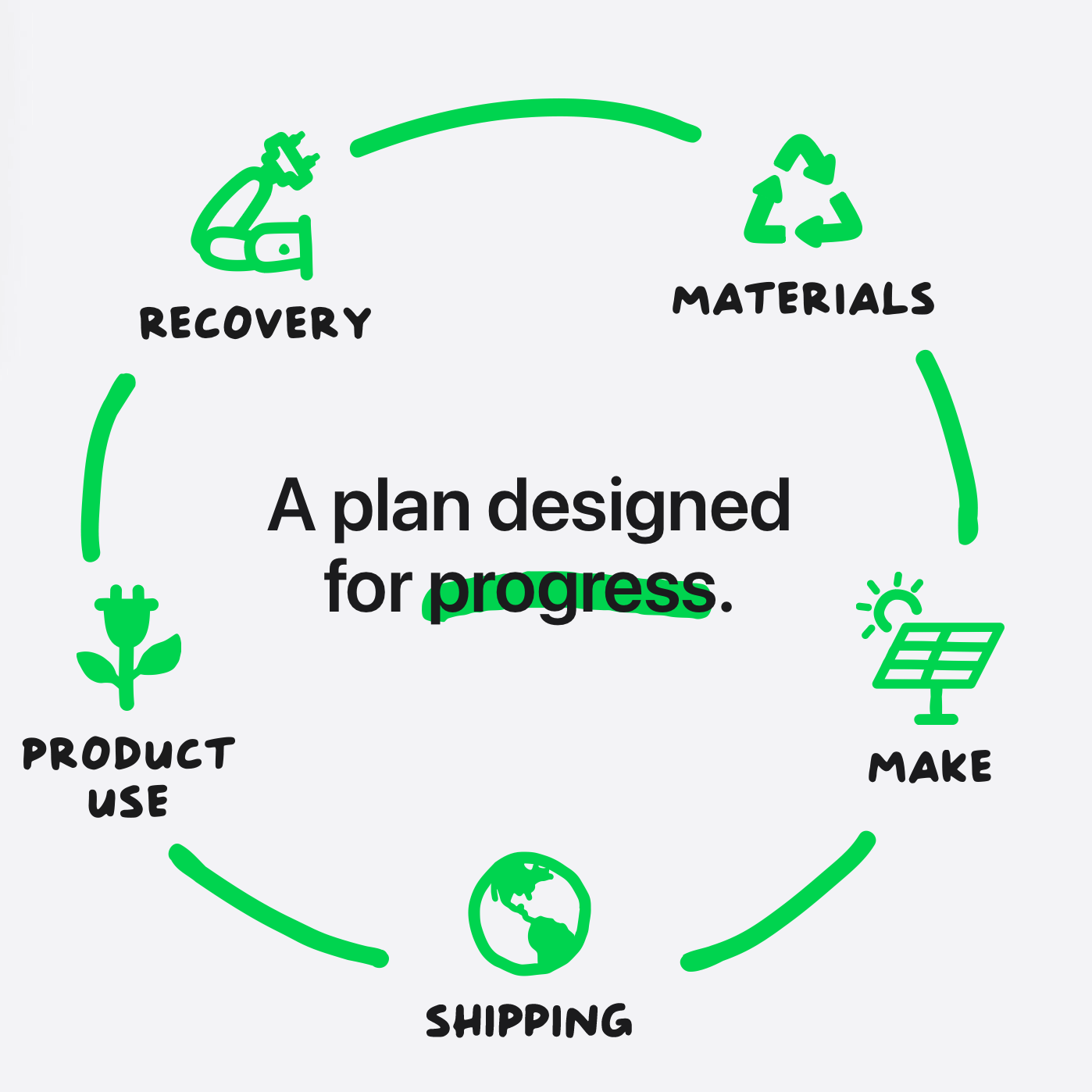
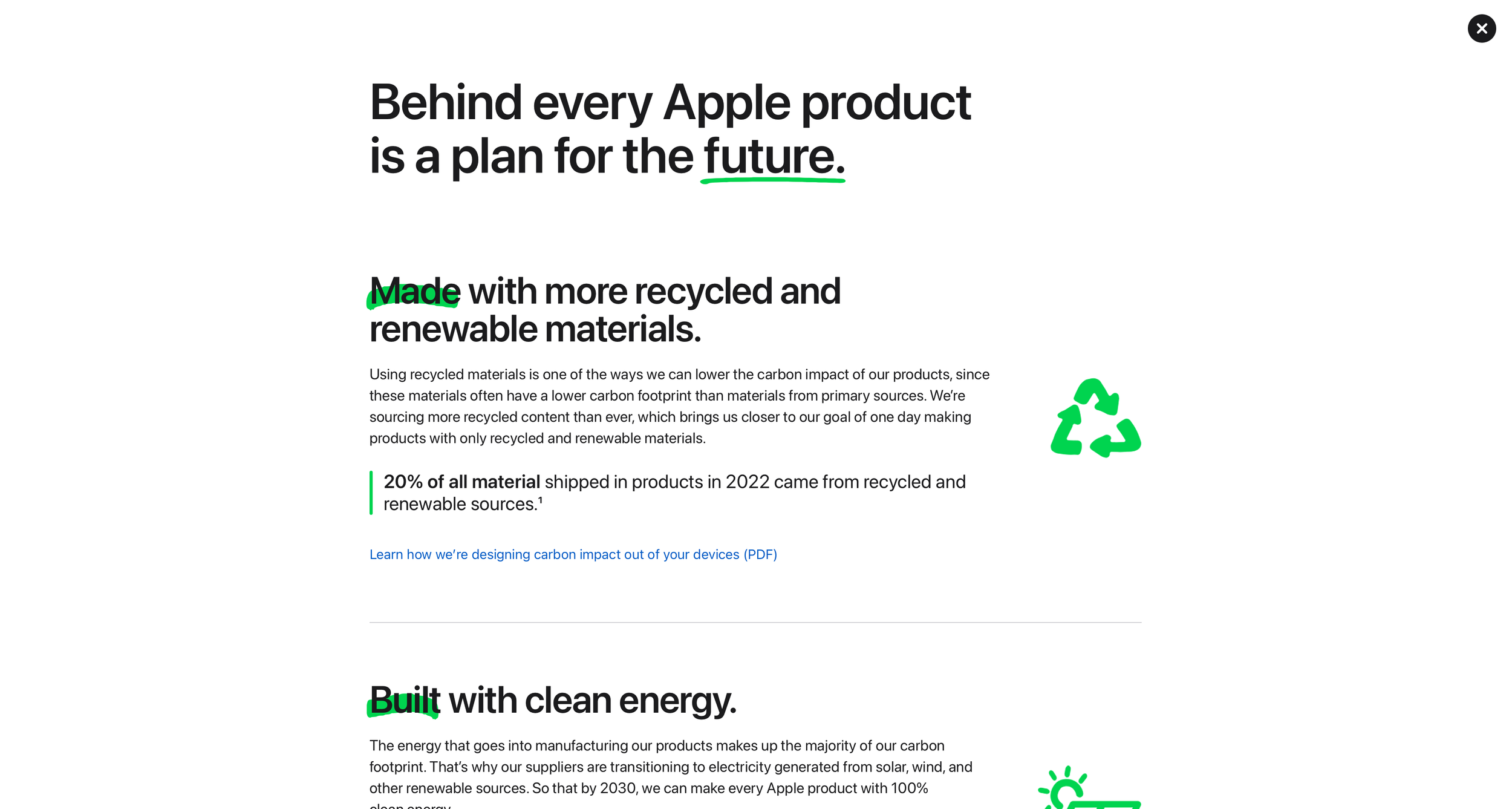
More comments were made regarding the repairability of Apple devices. Although Apple has made it difficult to repair their products in the past, they have since adopted a more repairable stance by supporting California’s Right to Repair Act (S.B.244). Additionally, the newest round of devices are made out of recycled materials and enclosures that have been recycled from older devices they receive. Apple has also introduced Daisy, a robot designed to repurpose materials and reduce dependence on new raw materials. This circular economy involves making more durable phones that can be resold on refurbished or used markets.
The day before, the world's largest company, with a $2.7 Trillion market cap, is taking an actual stance on issues other companies seem to overlook. I now found myself at another tech event, an Adobe event focused on AI and Photoshop; I asked the VP of Photoshop Design, Eric Snowden, a question. Being a bold Brooklynite, I asked an AI expert about the power implications of the AI prompts I create and search for. Although I love the tech, I am concerned about its potential environmental impact. He admitted that he didn't know the answer, which was disheartening. More so was that of a room of 200-300 people; I was the only one to ask about it. While I did not expect a clear answer, I appreciated his willingness to discuss the topic with Adobe, who should have an answer. As a company that I love and need to do my job, Adobe should be able to answer for the environmental implications of its products. Meanwhile, Apple is getting criticized for its efforts to minimize energy consumption and environmental impact. Instead, we should encourage more big brands like Apple to raise awareness and get people thinking about how their products are made, delivered, powered, and disposed of.
During the same event, I asked the head of Adobe Firefly about energy consumption and processes. Even though she didn't have an answer, she appreciated my question and is now considering minimizing the environmental impact of her team's work. We must all take responsibility to minimize our environmental impact. More companies will follow Apple's lead in raising awareness about this issue.
Apple's Tuesday announcement regarding its sustainability efforts may need to be revised. Still, it deserves credit for dedicating almost a third of its keynote space to this critical issue. Only a few companies do this, as it is usually just a throwaway point to get some applause. However, we should continue asking Apple about its financial investments, as Dan Sherrard-Smith of MotherTree has pointed out. The banks where they keep their money invest in oil, and after reviewing their report, it is clear that half of their emissions come from carbon credits. While Apple has done well so far, it can do better, and we should continue to encourage it to improve its sustainability efforts.
The belief that America is the best country in the world may seem arrogant from a global perspective. However, it's important to note that America is the leading country in carbon emissions and consumerism, which are critical issues that affect us all. The recent cheeky comments highlight the importance of sustainable living, especially since nearly 20% of Americans do not prioritize it. This represents 72 million people, more than the entire population of some countries like the UK, France, and Italy. With a population of 330 million people, there's still a lot of work to be done to change people's attitudes towards sustainable living. America must be a part of the solution, considering that it's a significant part of the problem, and only 54% of the population recognizes this. This means that 151 million people need to prioritize sustainable living, more than the entire population of Russia, Mexico, or Japan.

Starting conversations without skepticism can help keep people engaged. My grandmother used to say, "You attract more bees with honey than with vinegar." As climate advocates, if we always seem unhappy and complain that things are not good enough, the general public may see us as unreasonable and dismiss the conversation as a waste of time. This does not help the movement or the planet.
Katie Patrick and people like her have the right idea for encouraging positive behavior through affirmation. There was a time when I used to be a very negative person. I believed everything around me was terrible, and this negative attitude only led to more negativity. However, my mentor, Chris Do, taught me the importance of shifting my mindset and focusing on positive thinking. This shift has positively impacted all aspects of my life, including my outlook on the world. Now, I am more aware of the good that people are doing and can appreciate it.
It's essential to appreciate companies like Apple striving to be more transparent and open about their goals and values instead of being overly critical of them. By acknowledging their efforts and encouraging them to do better, we can use their progress as an example for other companies doing less. People will only try to improve if we meet genuine efforts with disapproval and disdain.
I understand that this is going to be a conversation with a lot of opinions. Still, I have taken a stance that not many people have. I am staying positive about the whole thing. I was pleased to see a company making so much effort to inform the public about how and why to save the environment, address power consumption issues, and offer a 118-page report with data. Regarding sustainability in my operations, Apple is one of the most sustainable and transparent companies. It would be unreasonable to think that any of us is better. When did we last ask any of this to other companies we interacted with?

Brian is a sustainable graphic design and brand strategist passionate about creating positive change in the world through his work. With a strong background in print and digital design and experience in introducing A.I. systems, he is a tech enthusiast and a lover of comic books. Brian's specialization lies in sustainable design and draws inspiration from music and meditation. His work has been featured in prestigious events and publications such as USA Today, NYFW, SxSW and CES, and he is dedicated to designing with the environment in mind. Brian enjoys spending time with his family and two new furry friends in Brooklyn in his free time. He is always eager to connect with others and collaborate on new projects.





A conscious branding comic studio is not a design shop with comic-book graphics. It is a strategic, story-led, sustainability-minded studio that helps brands understand who they are, what they stand for, and how to make their work easier to believe in.